
The Labyrinth
Walk inward.
Find your way.
A labyrinth is a sacred walking meditation path — one clear route to the centre and back out again. No dead ends. No wrong turns. Just you, your breath, and the quiet wisdom that arises when you slow down enough to listen.
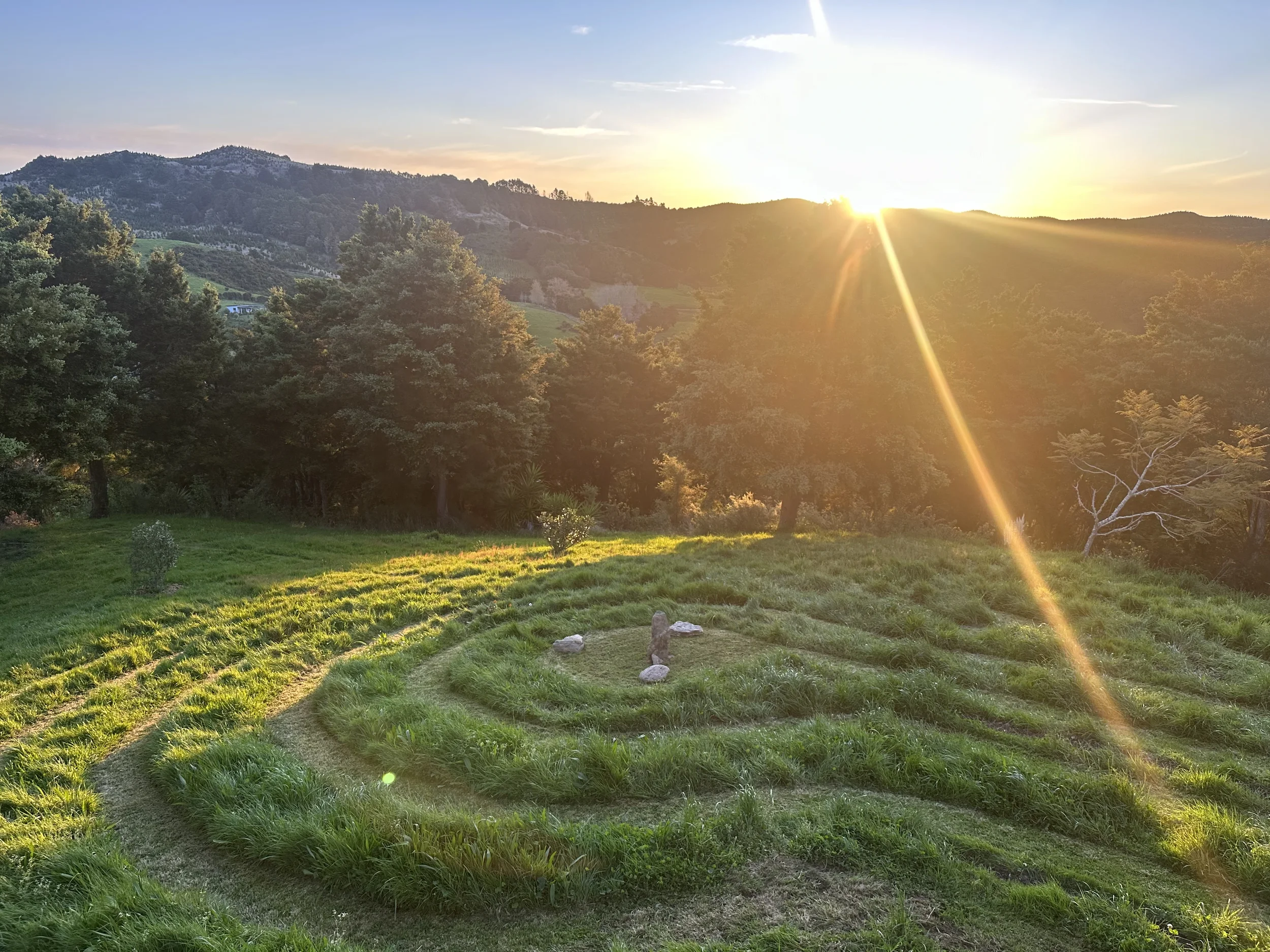
A GLIMPSE OF THE LABYRINTH
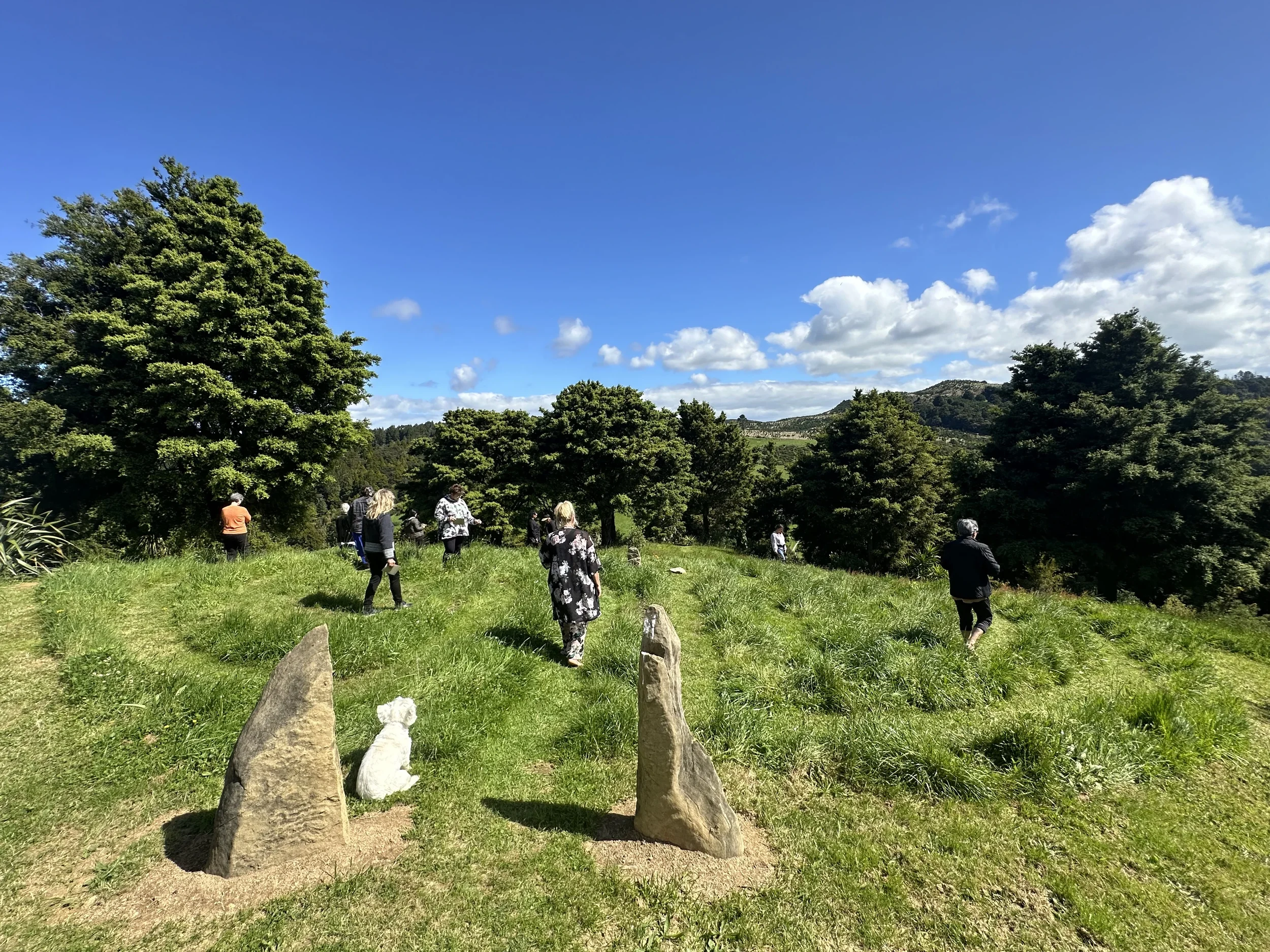
WHAT IS A LABYRINTH?
A path, not a puzzle
Unlike a maze, which is designed to confuse. A labyrinth has one single, clear path. There is no getting lost. The only question is what you'll discover along the way.
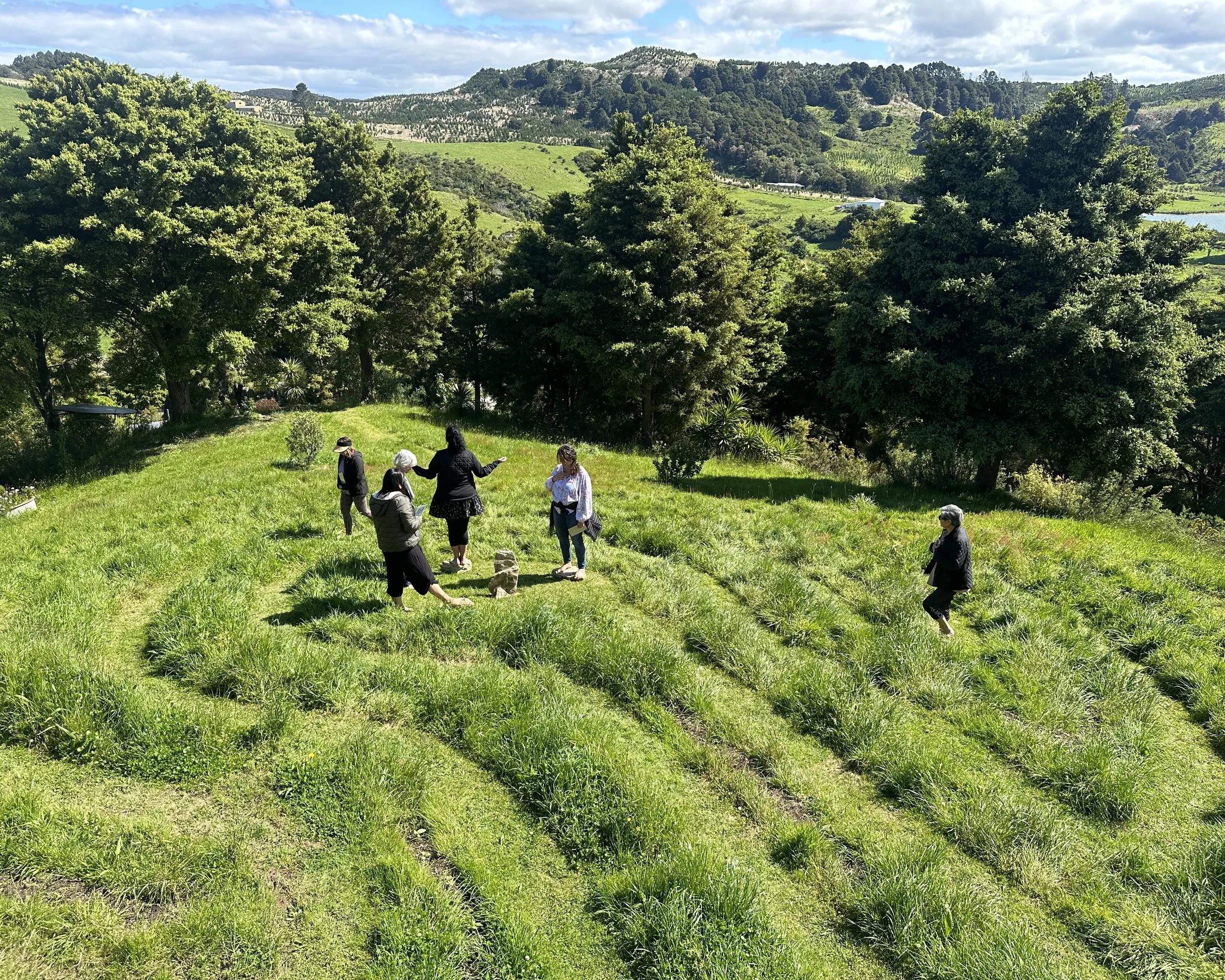
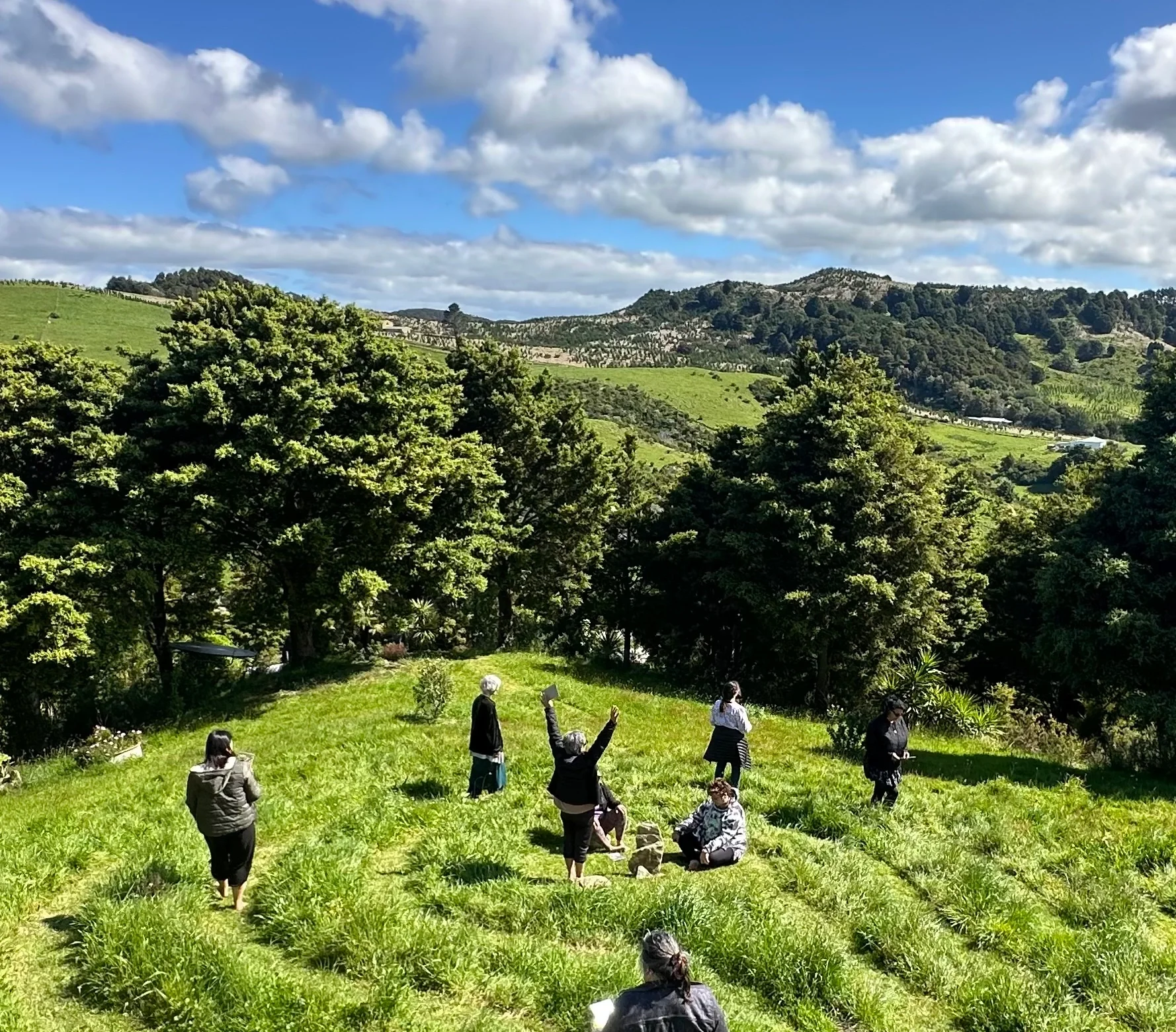
A labyrinth is a sacred path used for walking meditation, prayer and personal reflection. A space for connecting mind, body and spirit. Its single winding path to the centre allows you to turn inward without distraction.
Labyrinths have been used for over 5,000 years across cultures worldwide. In Native American traditions, Celtic spirituality, medieval Christianity and mystical Judaism. Today they are found in hospitals, parks, churches, retreat centres and private gardens.
Each walk is unique. Some people find answers to long-held questions. Others experience deep emotional release, creative inspiration or simply a profound sense of calm. You cannot do it wrong.
HOW TO WALK
The three stages of the journey
There is no single right way — but many people find this gentle framework opens the experience beautifully.
STAGE ONE
Releasing
On the path inward, let go. Release thoughts, worries, limiting beliefs. With each step, lighten your load. Arrive at the centre with an open heart.
STAGE TWO
Receiving
At the centre, pause. Be still. Listen. This is a moment of openness, to insight, to peace, to whatever wants to arise. Stay as long as feels right.
STAGE THREE
Returning
Follow the path back out, carrying whatever you've received. The return is as sacred as the inward journey, integrating the experience back into life.
"Many begin their walk with a question, an intention, or simply a desire for calm. Whatever you bring, the labyrinth will meet you there." Debbie Rey
WALK A LABYRINTH
What people experience
The benefits are as varied as the people who walk. Here are some of the most common.
Quiet mind
The repetitive, rhythmic walking calms the nervous system and stills the mental chatter naturally.
Clarity & insight
Answers to questions that have felt stuck often surface naturally when the thinking mind steps aside.
Grounding
Walking barefoot or slowly on the earth, following a path, deeply grounding for an overactive mind.
Emotional release
Something about walking a sacred path gives permission for what has been held to finally let go.
Spiritual connection
Many experience a profound sense of connection, to self, to something greater, to the present moment.
Creativity
Artists, writers and leaders have long used labyrinth walking to access new ideas and fresh perspective.
ANCIENT WISDOM
A spiritual journey across cultures
The labyrinth has been a tool for human reflection for over 5,000 years, across every continent and culture.
One of the world's most iconic labyrinths Chartres Cathedral, France
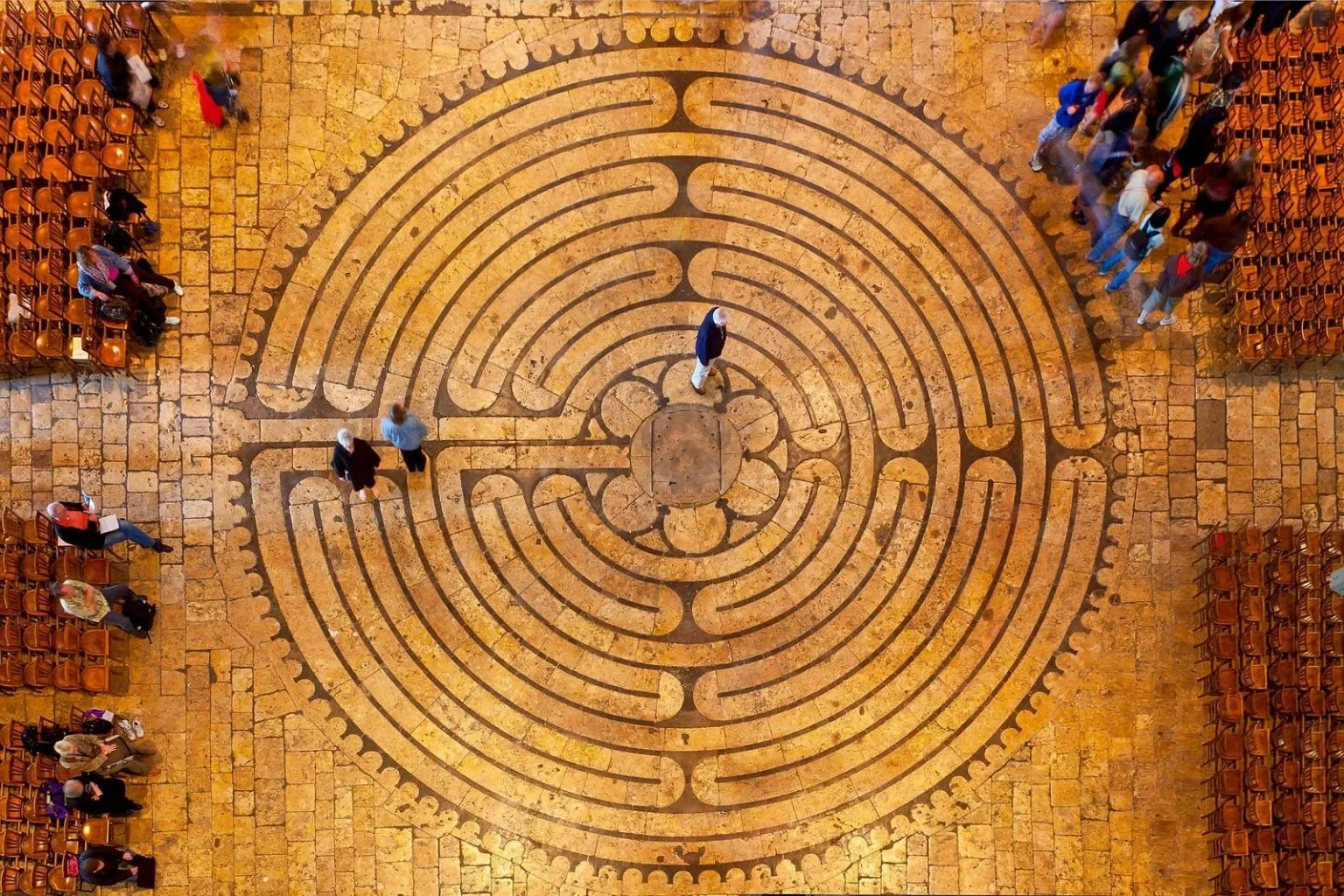
The Chartres labyrinth, constructed between 1215 and 1235, stands as one of the most iconic and influential examples of High and Classic Gothic architecture.
Why is Chartres Cathedral so special?
Chartres Cathedral is renowned for the remarkable unity of its architecture and decoration, embodying the innovations of early Gothic design. Its vast influence on Christian art and medieval architecture makes it a pivotal landmark in the history of the Middle Ages, representing the height of Gothic architectural achievement
New Zealand treasure Te Moata, Coromandel Peninsula, NZ
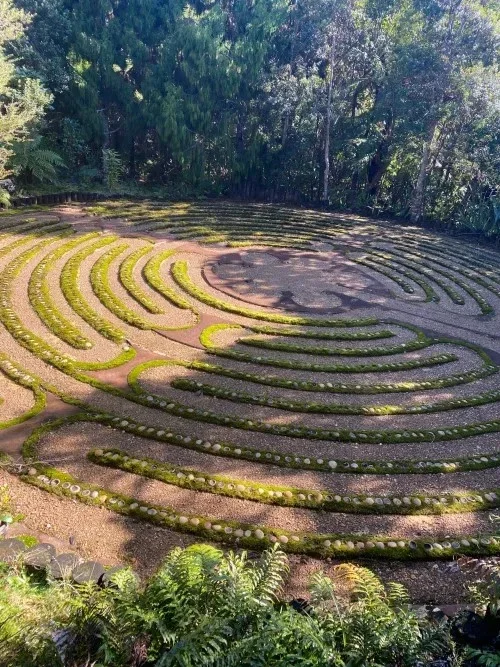
The Te Moata labyrinth is based on the sacred geometry of the labyrinth at Chartres Cathedral in France. It is the exact length and width of the circular pathway, has the six petalled centre and 114 lunations around the outer edge.
All the materials used are local, the clay pathways lined by river stones from a nearby beach and spiral stones at the entrance made individually at a local pottery. Hand beaten copper forms the overall shape of the labyrinth creating a distinctive contrast to the Te Moata red clay.
Ready to walk? View upcoming labyrinth events